Dental Erosion: Causes, Symptoms & Treatment | Julphar Dental Clinic

Dr. Yasin Al-Safadi
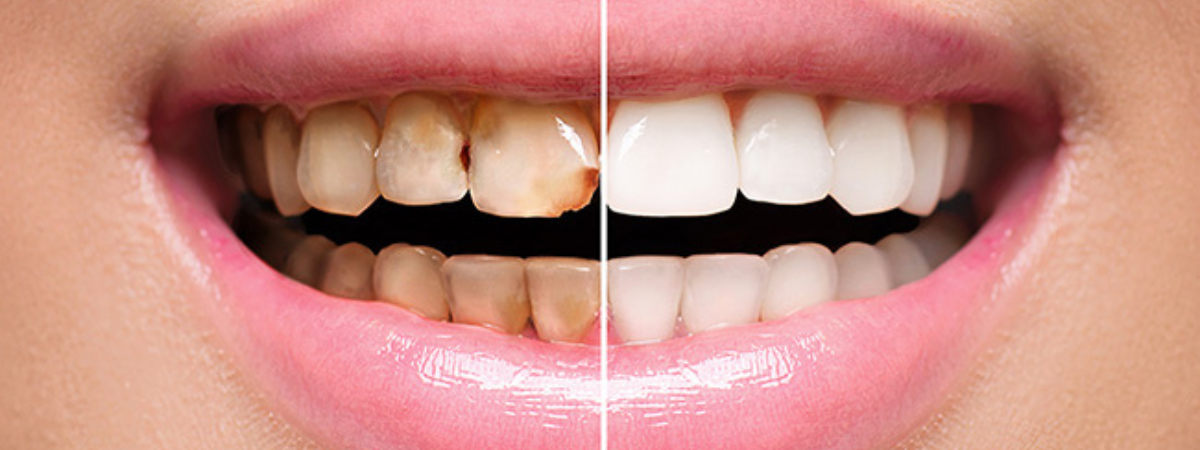
Dental erosion is a growing concern that often goes unnoticed until significant damage has already occurred. Unlike cavities, which are caused by bacteria, dental erosion happens when acids gradually wear away the enamel, the protective outer layer of your teeth. At Julphar Implant & Cosmetic Dental Center, we focus on early detection and preventive care to help patients preserve their natural smiles for life.
What Is Dental Erosion?
Dental erosion is the loss of tooth enamel due to chemical acid exposure, not bacterial activity. Once enamel is damaged, it cannot regenerate, leaving teeth vulnerable to sensitivity, discoloration, and structural breakdown.
Common Causes of Dental Erosion
1. Acidic Foods and Drinks
Frequent consumption of soft drinks, energy drinks, citrus fruits, flavored waters, and acidic snacks can gradually weaken enamel.
2. Acid Reflux and Medical Conditions
Conditions such as gastroesophageal reflux disease (GERD), frequent vomiting, or eating disorders expose teeth to stomach acids, which are far more corrosive than dietary acids.
3. Dry Mouth (Xerostomia)
Saliva neutralizes acids and protects enamel. Reduced saliva flow increases the risk of erosion.
4. Lifestyle Habits
Brushing immediately after acidic intake or sipping acidic drinks over long periods accelerates enamel wear.
Signs and Symptoms of Dental Erosion
Dental erosion often progresses silently. Warning signs include:
- Increased sensitivity to hot, cold, or sweet foods
- Teeth appearing more yellow due to exposed dentin
- Smooth, shiny, or rounded tooth surfaces
- Chipped or cracked teeth
- Shortened teeth or changes in bite alignment
If you notice any of these symptoms, early evaluation is essential.
Dental Erosion vs. Tooth Decay: What’s the Difference?
Dental erosion and tooth decay may look similar but have very different causes:
- Dental erosion is caused by acid exposure and does not involve bacteria
- Tooth decay is caused by bacteria producing acids that form cavities
- Correct diagnosis allows for appropriate treatment and prevention.
Treatment Options for Dental Erosion:
Treatment depends on the severity of enamel loss:
- Mild cases may require fluoride therapy and monitoring
- Moderate erosion can be managed with conservative bonding
- Advanced cases may need veneers or crowns to restore function and aesthetics.
Our team ensures every treatment plan is tailored to the patient’s needs and long-term oral health.
Why Early Detection Matters?
When caught early, dental erosion can often be controlled without invasive procedures. Delayed treatment may result in complex restorations or tooth loss. Regular dental checkups allow our specialists to identify early changes before irreversible damage occurs.
Protect Your Smile with Julphar Implant & Cosmetic Dental Center
Dental erosion is preventable, and with the right guidance, your natural teeth can be preserved for years to come. If you experience sensitivity, wear, or changes in your teeth, schedule a consultation at Julphar Implant & Cosmetic Dental Center for expert evaluation and care. Your smile deserves protection and prevention starts today.