Why Do Teeth Become Yellow Even If You Brush Every Day?

Dr. Zahraa Al Jazaeri
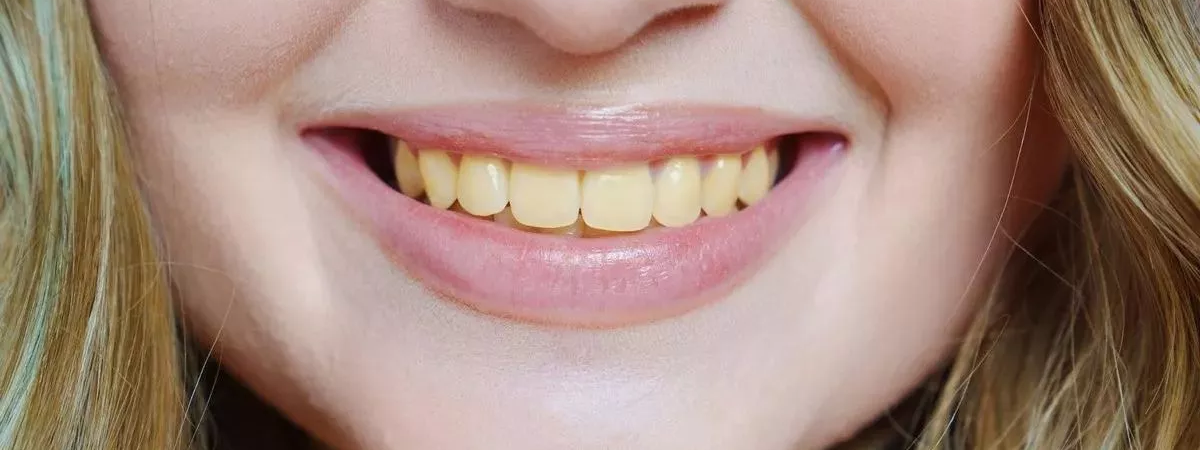
Many people brush their teeth twice a day and still notice their smile becoming yellow over time. This can be frustrating and confusing, especially when you’re doing what you believe is the right thing. The truth is, brushing alone isn’t always enough to keep teeth bright and white.
Let’s explore the common reasons why teeth lose their natural whiteness despite good brushing habits.
1. Natural Tooth Structure
Teeth are not naturally pure white. Each tooth has an outer enamel layer and an inner layer called dentin. Enamel is translucent, and the dentin underneath has a naturally yellow shade. As enamel becomes thinner with age, the yellow color of dentin becomes more visible, making teeth appear darker.
2. Foods and Drinks That Stain Teeth
Certain foods and beverages can stain tooth enamel over time, even if you brush regularly. Common culprits include:
- Coffee and tea
- Red wine
- Cola and dark sodas
- Spices like turmeric
- Berries and colored sauces
These stains build up slowly and often require professional cleaning or whitening to remove.
3. Smoking and Tobacco Use
Smoking or using tobacco products is one of the leading causes of yellow and brown tooth discoloration. Nicotine and tar easily stick to tooth surfaces, causing deep stains that brushing alone cannot remove.
4. Plaque and Tartar Buildup
Brushing at home removes surface plaque, but it may not clean every area effectively. When plaque hardens into tartar, it can make teeth look yellow or dull. Tartar can only be removed through professional teeth scaling and polishing.
5. Aging and Enamel Wear
As we age, daily activities such as chewing, grinding, and brushing gradually wear down enamel. Thinner enamel means the yellow dentin underneath becomes more noticeable, changing the overall color of the teeth.
6. Certain Medications and Medical Factors
Some medications can affect tooth color, especially if taken during childhood. Others may reduce saliva flow, leading to more staining. Medical conditions and treatments can also influence tooth color over time.
7. Genetics
Just like hair or skin color, tooth shade can be inherited. Some people naturally have thicker, whiter enamel, while others may be more prone to yellow-looking teeth despite good oral hygiene.
Can Yellow Teeth Be Treated?
Yes. Professional dental cleaning can remove surface stains and tartar, improving the brightness of your smile. For deeper discoloration, teeth whitening treatments performed or supervised by a dentist can safely and effectively lighten tooth color.
How to Keep Your Teeth Looking Brighter
- Brush twice daily using proper technique
- Use a fluoride toothpaste
- Limit staining foods and drinks
- Rinse your mouth with water after consuming dark beverages
- Schedule regular dental checkups and cleanings